Author: Nuha Khan
The World Cup is undoubtedly the most anticipated and celebrated sporting event in the world. However, hosting the World Cup is a massive undertaking with significant implications for the host country. The event has the potential to boost the economy, promote tourism and infrastructure development, and raise the profile of the host nation on the world stage.
As the host nation for the 2022 World Cup, Qatar invested $220 billion dollars in building new stadiums, hotels, transportation systems, and other facilities to accommodate the influx of visitors during the tournament. These developments have been accompanied by significant improvements in the country’s labor laws but have invited concern about the welfare of migrant workers and inflated criticism of Qatar.
Qatar has had to address allegations of significant human rights abuses. However, using the name of human rights, Western media has expressed stereotypical double standards while criticizing Qatar as demonstrated below.
Difference in Coverage
Qatar has been subject to double standards and stereotypes in constant criticism from Western media.
Addressing Past Human Rights Issues:
● During the 2014 World Cup, Brazil evicted 250,000 people from their homes to make room for tournament infrastructures with minimal backlash.
● During the Qatar 2022 World Cup, BBC refused to air the opening ceremony on BBC One but had no objection to showing the 2018 World Cup opening ceremony in Russia, despite the country having annexed and occupied parts of Ukraine since 2014.
● The 2022 Beijing Winter Olympics were not heavily protested by BBC or other Western media, despite China’s ongoing genocide of Uighur Muslims.
So while Qatar’s actions warrant criticism, is it fair to remain silent on the outright atrocities of other countries?
Culture:
● During the 2022 World Cup final ceremony, the Qatari Emir honored Lionel Messi with a Bisht, an act that the The Telegraph labeled as a “bizarre act” that “ruined the greatest moment in World Cup history”. Interestingly, Argentine fans enthusiasticly welcomed the gesture.
○ Offering a symbol of the host country’s culture to athletes is common for any global sporting event. For example, Brazilian legend Pele, was given a ‘sombrero’ to wear when he won the 1970 World Cup in Mexico and winners of the 2004 Olympics in Greece were given Greek laurel wreaths to wear during medal ceremonies
Human Rights Criticism
● Qatar’s Supreme Committee for Delivery & Legacy (SC) stated that the World Cup was an opportunity for Qatar to improve its labor standards. The Gulf state demonstrated its willingness to receive constructive criticism of its labor practices and improve them by:
- Dismantling the “Kafala” system, meaning workers no longer need to consult their sponsor to change jobs or leave the country.
- Establishing an insurance fund to reimburse workers who were swindled and cheated of their wages.
- Reimbursing 49,000 workers who were charged illegal recruitment fees with amounts totalling $24 million.
● Qatar has welcomed both internal and external auditors to inspect its tournament spaces and labor practices. Audit and inspections by the SC and Building and Wood Workers’ International (BWI) led to 56 contractors being removed from SC projects, 226 contractors being placed on a watch list, and seven contractors being blacklisted.
● The SC vaccinated 16,742 workers as of December 2021.
It is imperative that Qatar enforces and expand its labor protection practices while reimbursing those who have been subject to recruitment fees, unfair pay, and poor working conditions. In conjunction, it is crucial to recognize Qatar’s willingness to receive constructive criticism and its significant efforts to improve its labor practices.
Sustainability and Safety
The 2022 FIFA World Cup was undoubtedly one of, if not the most, safe, well organized, and technologically advanced tournamnet.
● Qatar is ranked as the safest country according to the Numbeo Crime Index by Country 2023. This can be attributed to the country’s strict and respected law system. Qatar upheld its societal norms by banning alcohol in stadium stands but accommodated guests by having alcohol in venues such as the fan festival — contributing to the tournament’s safety.
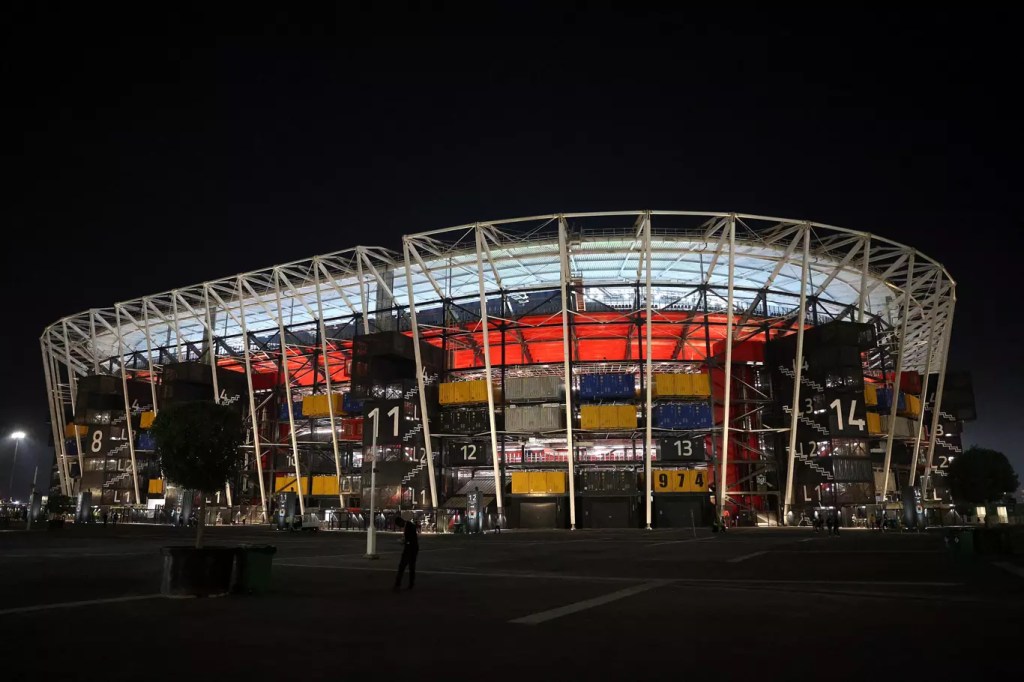
● Qatar’s Stadium 974, made of shipping cargos, was dismantled and recycled as it was made into 10,000 mobile homes that were sent to victims of the February 2023 Syria-Turkey Earthquakes.
The 2022 World Cup in Qatar has brought significant attention to the issue of working conditions in the country. Looking forward, it is expected that future World Cup hosting nations will be held to higher standards regarding worker rights and safety. In the short term, reforms have been put in place in Qatar to improve working conditions for laborers, including increased monitoring and regulation of construction sites. While there is still much work to be done in the long term to address migrant labor conditions in Qatar, the country has notably made substantial improvements in its practices.
Image Source: FIFA
 Goal Diplomacy