Analysis at the intersection of international football and foreign affairs, from World Cup economics in the Gulf to identity, diaspora and politics on the pitch.
-
Author: Nuha Khan
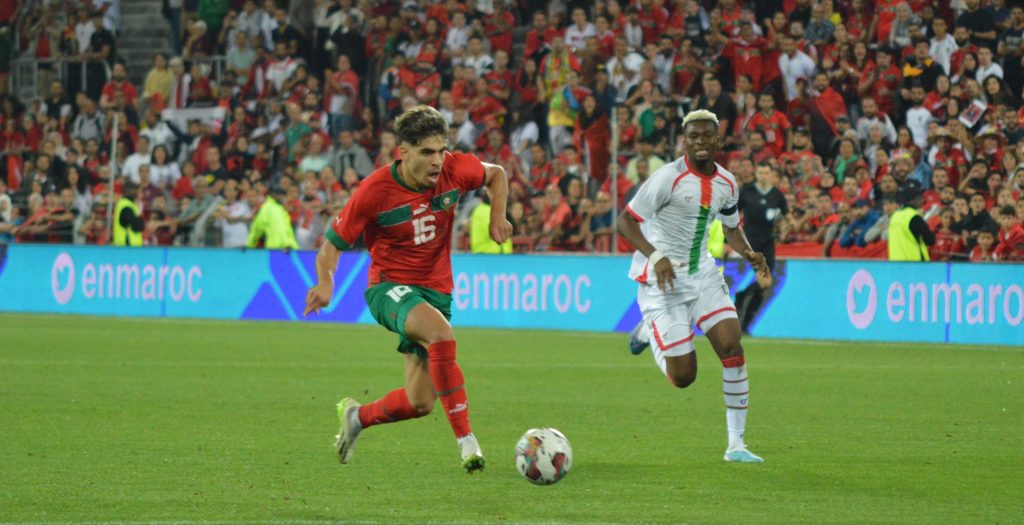
Ceuta: When a Shirt Becomes Political
On September 14, ahead of their La Liga match, Villarreal CF and Real Betis Balompié players entered the pitch wearing shirts bearing the message “Todos somos caballas” (“We are all mackerels”). Mackerel is a nickname for the people of Ceuta, a Spanish enclave that saw an unprecedented surge of migration from Morocco in July 2026. Not long after kickoff, Moroccan Betis player Abde Ezzalzouli was lambasted online for seemingly betraying his country of origin.
Read more -
Authors: Nuha Khan and Isa Khan
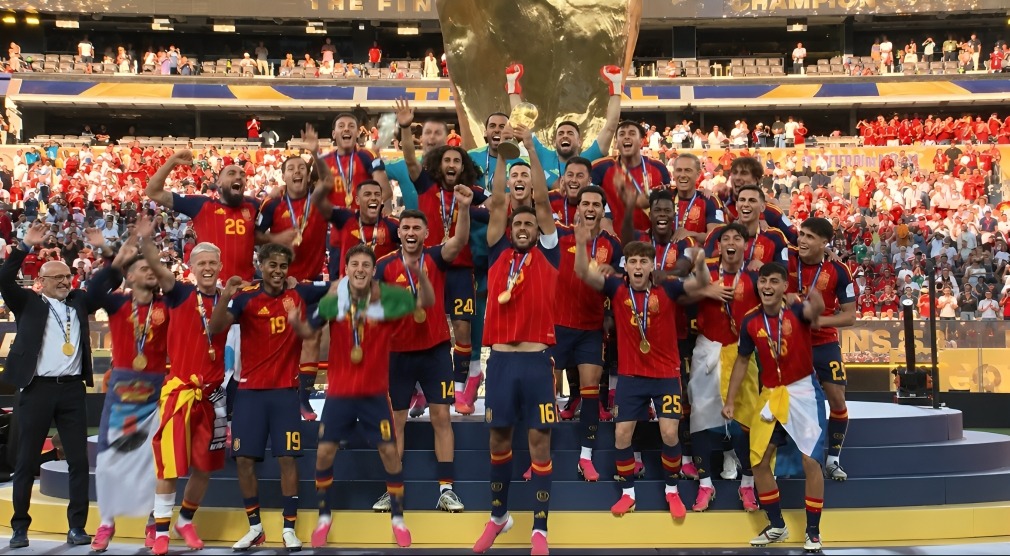
MetLife Stadium, New Jersey — On Sunday, July 19, 2026, Spain were crowned champions of the 2026 FIFA Men’s World Cup against Argentina. The match went overtime, and in this lopsided affair, Spain had 20 shots and 68% of the possession versus Argentina’s three and 32% respectively — a win that was clean and beyond convincing. Aside from Spain’s glory on the pitch, the final between the two sides appeared more than just a football match. As things unfolded, many across the world saw the match as a duel between Spain, a complete team embodying diversity, fair play, and strong morals versus Argentina, an arrogant team reflecting elitism, indecent aggression, and unsportsmanlike conduct.
Read more -
Author: Nuha Khan
Read more
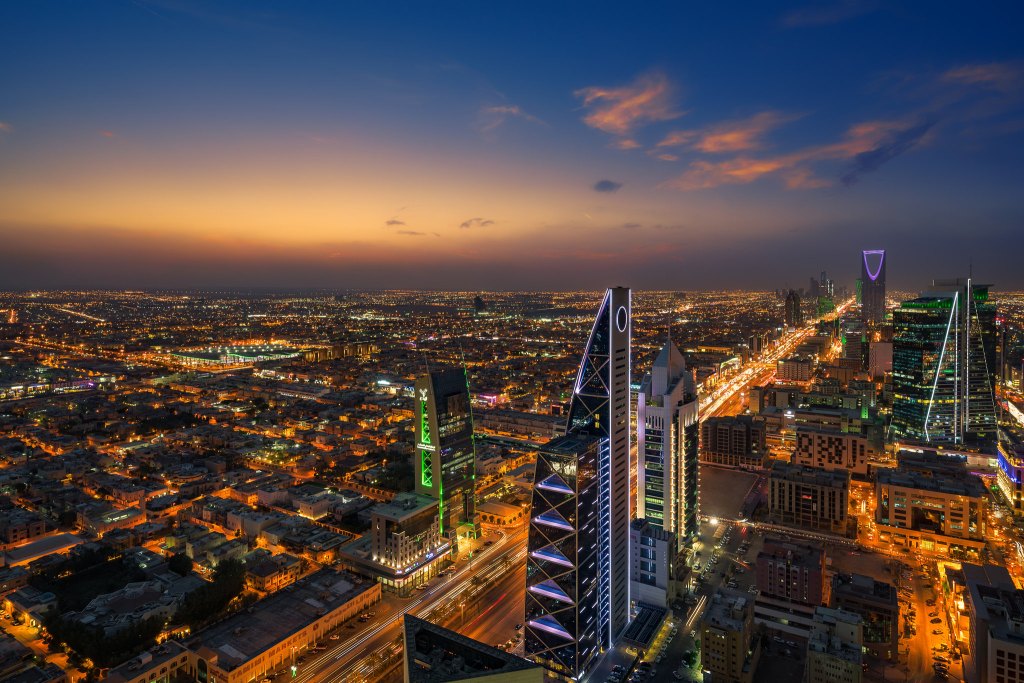
The Gulf states are using strategic sports investments to diversify economies, moving away from fossil fuels. While mega-events like the 2022 World Cup and F1 in Saudi Arabia showcase this shift, sustainable development requires stronger public-private sector collaboration. Models like Qatar’s PPP system can drive long-term innovation and grassroots growth in sports. -
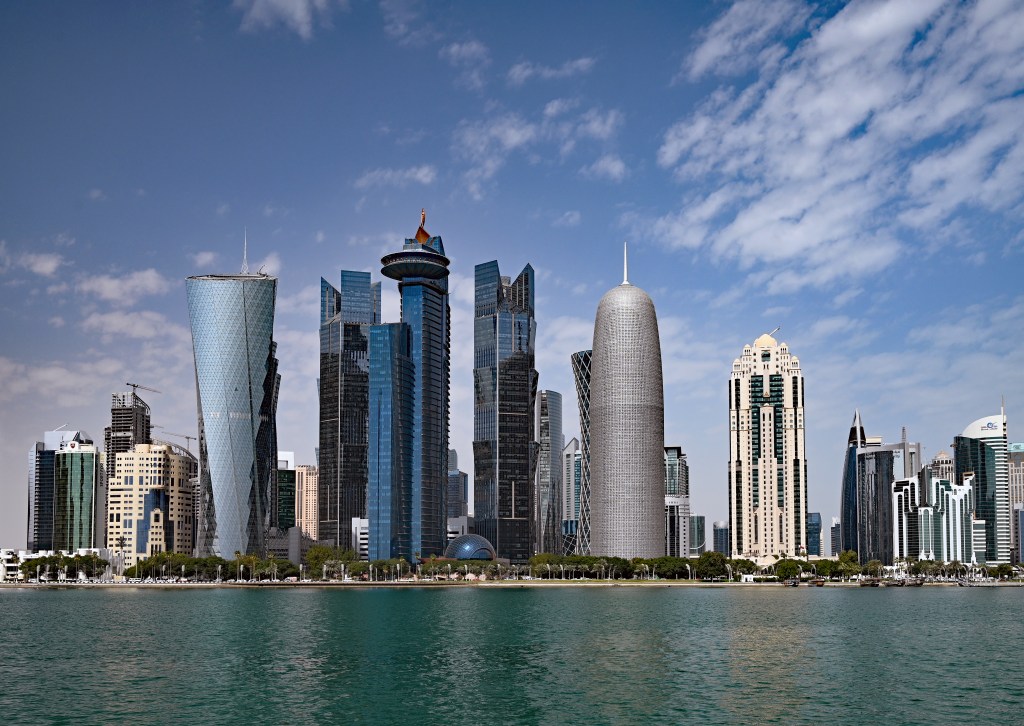
Author: Nuha Khan
Read more
As part of their national visions, GCC states seek to reduce reliance on oil and natural gas revenues by promoting diversified economic growth and social development. In particular, Qatar and Saudi Arabia are utilizing sports to advance youth-empowerment and long-term development. -
Author: Nuha Khan
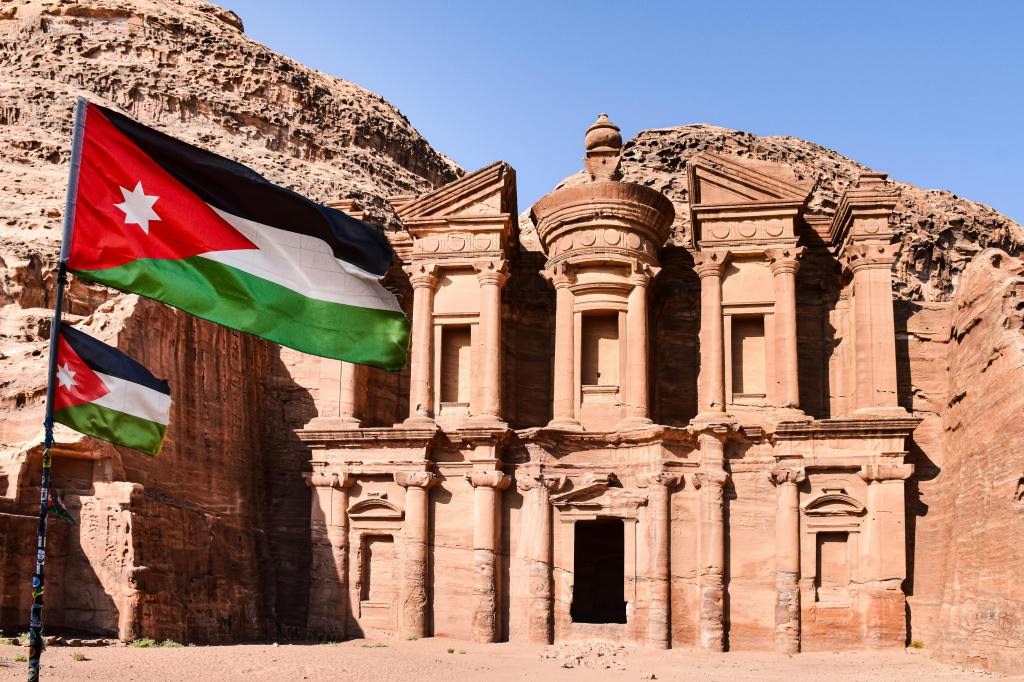
With a 3-0 win over Oman, Jordan earned its place in the 2026 World Cup — marking the country’s first-ever qualification for the tournament. While qualifying for the World Cup is an accomplishment in itself, Jordan can leverage this historic spotlight on the global stage to both earn greater sporting recognition and encourage economic investment, cooperation, and development.
Read more -
Authors: Nuha Khan, Isa Khan
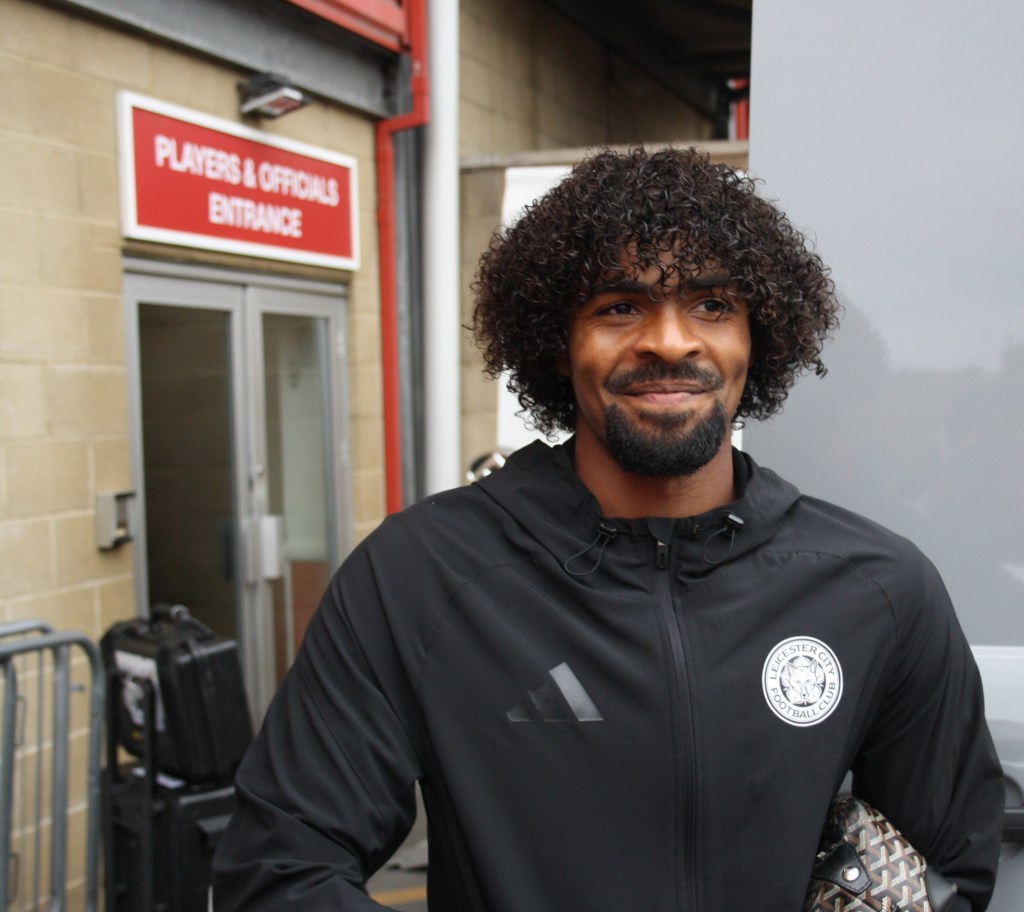
Leicester City midfielder Hamza Choudhury makes history as the first Premier League player to join the Bangladesh national football team. Born in England to a Bengali mother and Grenadian father, Choudhury made history in 2017 by becoming the first (and currently only) premiere player of Bengali origin. The 27-year-old started at Leicester City’s academy at age seven and eventually joined the first team as a defensive midfielder. The young talent helped the team win the FA cup and FA Community Shield in 2021.
Read more -
Author: Nuha Khan
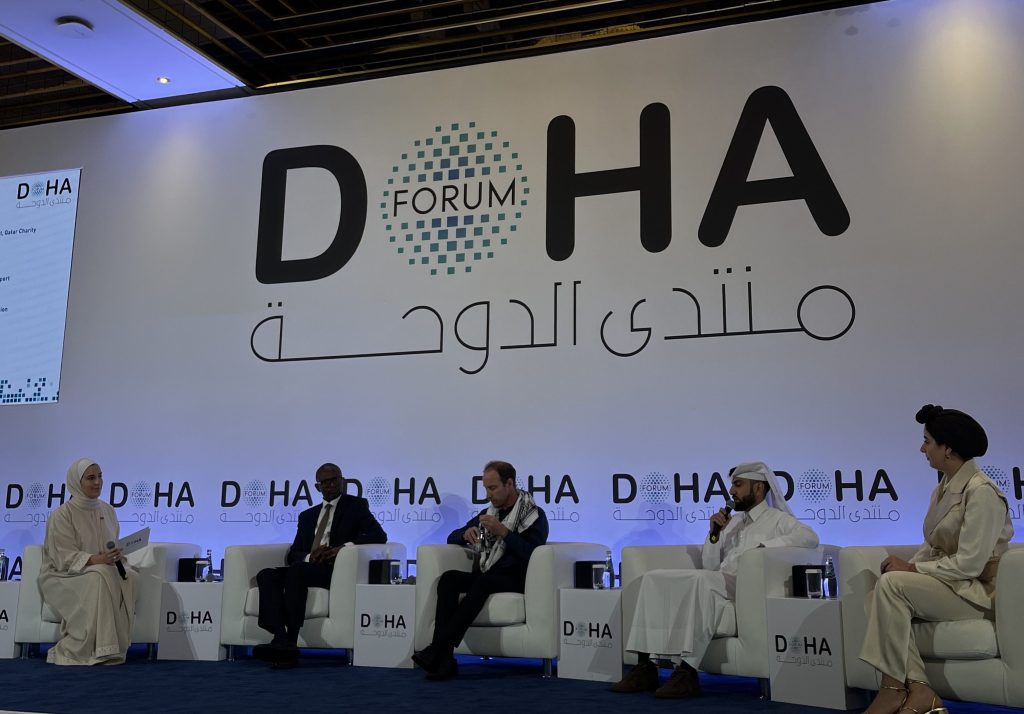
Since 2003, the Doha Forum has brought together thousands of leaders and thinkers from across the world to discuss pressing global issues. During the 2024 edition, held from December 7-8, over 4,600 participants, including 350 speakers convened to explore global issues under the theme of “The Innovation Imperative”. Innovative diplomacy and policy were surely displayed during the session on “Sport as a Force for Sustainable Development in the MENA Region”, moderated by Haneen Khatib. With Qatar having hosted the most technologically advanced edition of the FIFA World Cup, it is no surprise that the country is pioneering sports-driven development.
Read more -
Author: Nuha Khan
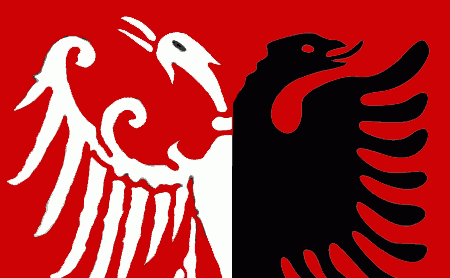
In May 2024, the Serbian and Albanian football federations submitted a joint bid to host the 2027 mens’ U-21 European Championship. Having been the only ones to meet the deadline to submit a detailed plan, UEFA announced on September 26 that the two countries are set to host the tournament. Despite deep rooted political and social tensions between the Balkan states, this joint venture may have the capacity to encourage positive diplomatic and inter-ethnic relations.
Read more -
Author: Nuha Khan
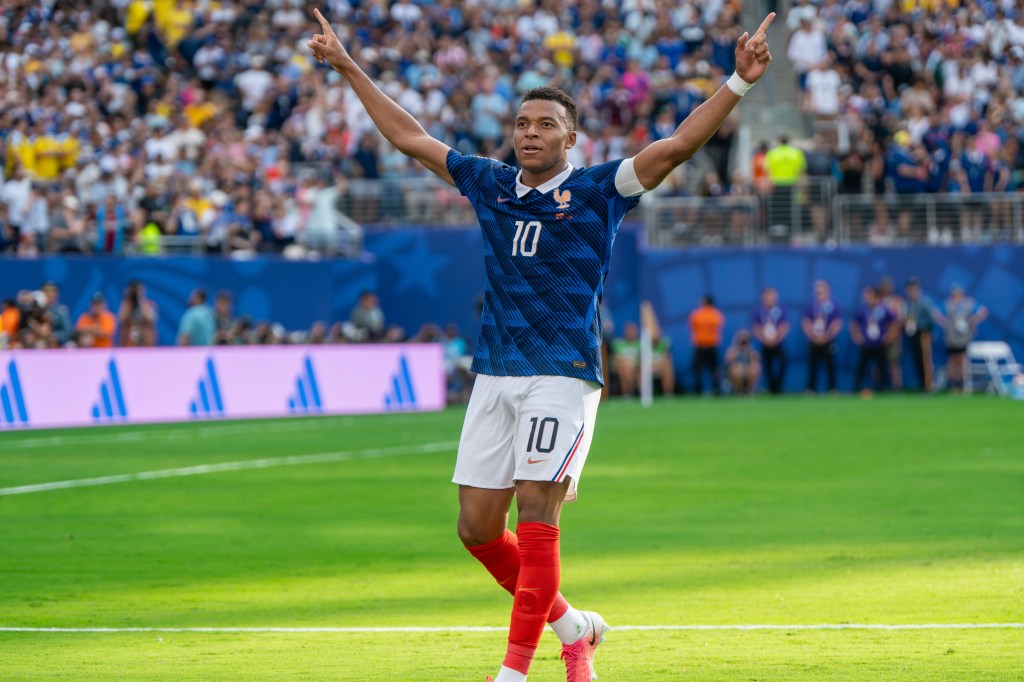
As France prepares to hold a snap parliamentary election from June 30 – July 7, the country’s political divisions are evident in every aspect of society – including sports. This election is a competition of extremes with the far-right and far-left set to force out President Macron’s Renaissance and other centrist parties within parliament.
Read more -
Author: Nuha Khan
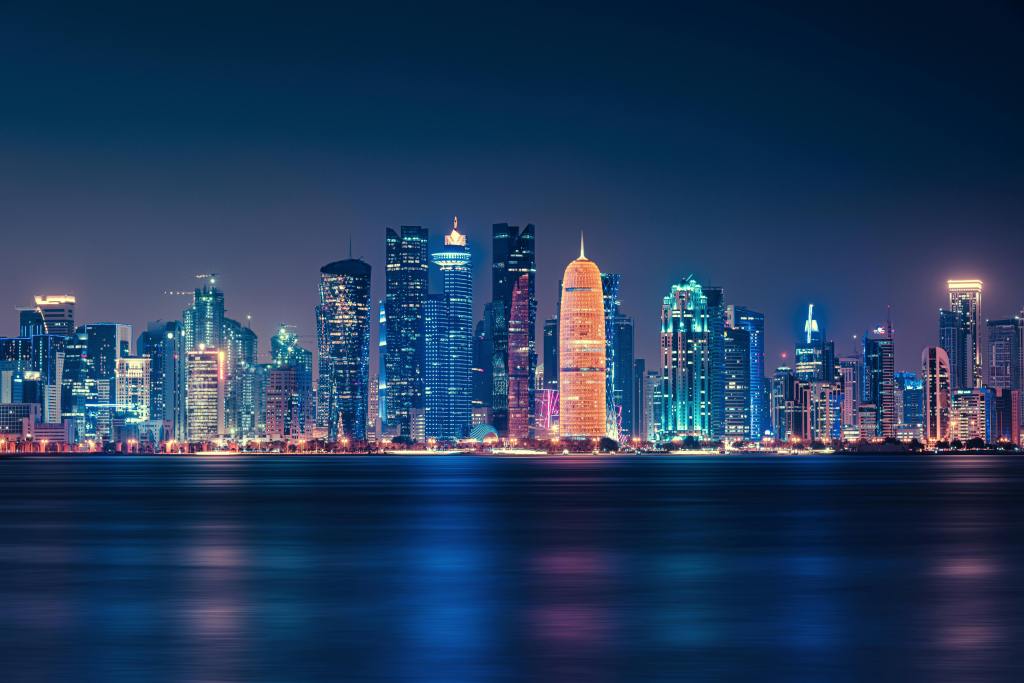
As the world slowly shifts towards adopting renewable energy sources, the Gulf states have prepared strategies to diversify their economies and decrease reliance on revenue from fossil fuels. As part of the Qatar National Vision 2030, the country seeks to reduce reliance on oil and natural gas by promoting economic growth and social development. In particular, Qatar has leveraged sports, specifically football, to expand its infrastructure and promote various growing sectors of its economy such as tourism.
Read more

